Click to zoom
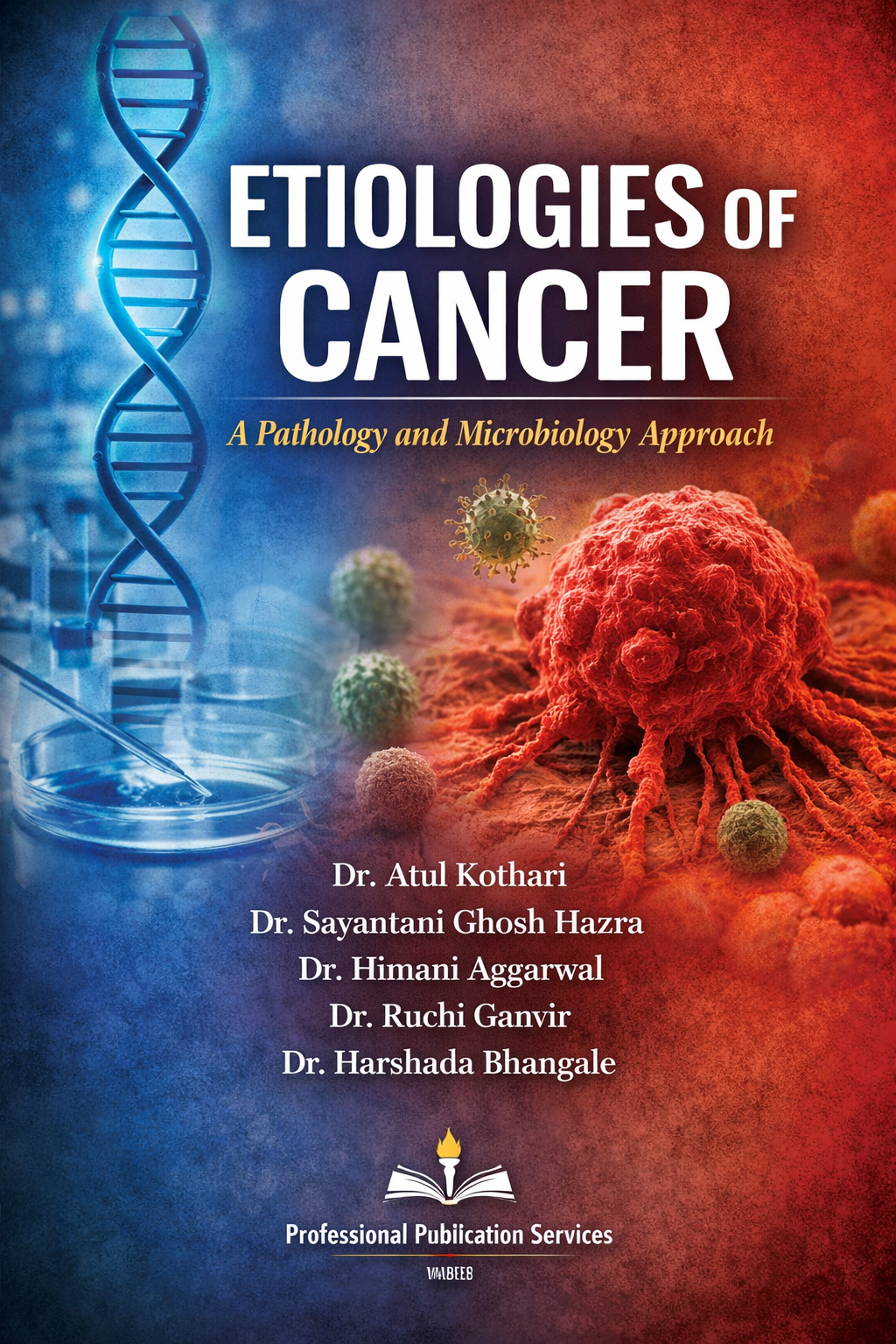
Cancer remains one of the most significant global health challenges of the modern era. Despite remarkable advances in diagnostic techniques, therapeutic strategies, and preventive measures, the burden of cancer continues to rise worldwide. Understanding the underlying causes and mechanisms that contribute to cancer development is therefore essential for clinicians, researchers, and public health professionals. This book, Etiologies of Cancer: A Pathology and Microbiology Approach, aims to provide a comprehensive exploration of the diverse factors that contribute to the initiation and progression of cancer.
The development of cancer is a complex, multistep process influenced by genetic susceptibility, environmental exposures, infectious agents, lifestyle factors, and molecular alterations within cells. Advances in pathology and microbiology have significantly enhanced our understanding of how these factors interact at the cellular and molecular levels to drive carcinogenesis. By integrating concepts from these disciplines, this book provides a multidisciplinary perspective on the etiological factors associated with cancer.
The text is organized into several thematic sections that guide the reader from fundamental principles to more advanced concepts. The early chapters discuss the molecular and genetic foundations of carcinogenesis, including oncogenes, tumor suppressor genes, epigenetic alterations, and mechanisms of cell cycle dysregulation. Subsequent sections explore the role of physical, chemical, and microbial agents in cancer development, highlighting the impact of viruses, bacteria, parasites, and environmental exposures. Additional chapters examine the influence of chronic inflammation, immune dysregulation, metabolic factors, and lifestyle determinants such as tobacco use, alcohol consumption, and dietary patterns.
A unique strength of this book lies in its integration of pathological and microbiological perspectives, emphasizing the mechanisms through which infectious agents and environmental exposures contribute to tumorigenesis. The book also discusses histopathological correlates, molecular and immunohistochemical markers, and emerging research directions that may shape the future of cancer prevention and early detection.
This work is intended for medical students, postgraduate trainees, clinicians, researchers, and academicians who seek a deeper understanding of the etiological basis of cancer. We hope that the information presented here will contribute to improved awareness, enhanced diagnostic insight, and continued research in the field of oncology.
The authors express their sincere gratitude to colleagues, mentors, and students whose discussions and academic interactions have enriched the perspectives presented in this book. We also acknowledge the support of our institutions and the publisher in bringing this work to completion.
We hope that this book will serve as a valuable academic resource and inspire further research toward understanding, preventing, and ultimately reducing the global burden of cancer.